

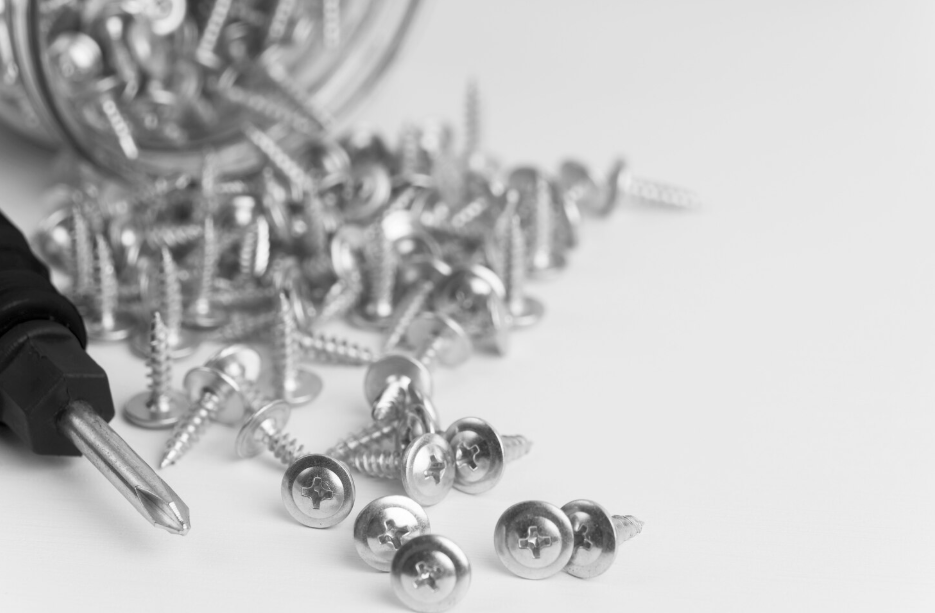
Outdoor projects require selecting screws that can withstand moisture, sunlight, wind, and changing temperatures. Unlike indoor applications, outdoor installations face constant environmental stress that can weaken fasteners over time. By choosing screws designed for weather resistance and outdoor durability, builders can ensure long-lasting performance and safer structural outcomes.
Why Outdoor Conditions Affect Screw Performance
Outdoor environments expose screws to humidity, rainfall, UV radiation, and thermal expansion. These factors accelerate corrosion, weaken coatings, and reduce fastening strength. Without the proper screw type, projects such as decks, pergolas, fences, and outdoor furniture may degrade prematurely. Selecting screws engineered for weather resistance is essential for structural stability.
Choosing Corrosion-Resistant Materials
Stainless steel is one of the best materials for outdoor screws because it naturally resists rust and oxidation. For high-moisture environments or coastal areas, 316-grade stainless steel offers superior saltwater protection. Galvanized and ceramic-coated screws are also effective, providing strong corrosion resistance for general exterior construction projects.
Weather-Resistant Coatings for Outdoor Use
Coatings such as hot-dipped galvanization, epoxy layers, and multi-layer ceramic finishes enhance the durability of outdoor screws. These coatings act as protective barriers that prevent rust from forming, even when fasteners are exposed to continuous rain or humidity. Choosing the right coating ensures the screw maintains its structural integrity over time.
Preventing Wood Splitting and Warping
Outdoor wooden structures expand and contract due to moisture and temperature changes. Using screws with optimized threads and sharp points helps reduce splitting during installation. For hardwood decking, pre-drilling pilot holes is recommended. Proper fastening prevents warping, loosening, and long-term instability in exterior wooden projects.
Screws for Decking and Landscaping Applications
Deck screws are designed with corrosion-resistant coatings, sharp tips, and specialized threads that grip wood securely in fluctuating outdoor conditions. Landscaping screws, used for retaining walls or garden structures, must resist ground moisture and shifting soil. Selecting screws tailored for the specific outdoor task ensures better durability and performance.
Using Screws for Outdoor Metal Installations
Metal structures such as fences, frames, and roofing panels require screws with strong tensile strength and resistance to rust. Self-drilling and self-tapping screws are often used for metal-to-metal fastening in outdoor environments. Coated carbon steel and stainless steel fasteners provide reliable strength under wind, vibration, and weather conditions.
Avoiding Fastener Failure from Temperature Shifts
Outdoor screws must tolerate expansion and contraction caused by heat and cold. Quality screws are engineered to handle these temperature changes without cracking, loosening, or losing grip. Choosing screws with durable materials and coatings prevents long-term fatigue and maintains the stability of exterior structures throughout seasonal cycles.
Installation Tips for Long-Term Outdoor Stability
Proper installation plays a major role in the lifespan of outdoor screws. Use driver bits that match the screw head precisely to avoid stripping. Avoid overtightening, which can weaken threads and damage coatings. Where possible, keep fasteners covered by trim or sealant to reduce direct moisture exposure. Good installation practices enhance overall weather resistance.
Ensuring Long-Lasting Outdoor Performance
By selecting screws designed for outdoor conditions and installing them correctly, builders can create exterior structures that maintain strength and appearance for years. Weather-resistant screws protect against corrosion, movement, and environmental stress, ensuring long-term stability in decks, fences, pergolas, and other outdoor projects.
